부산 여행 — quick answer
If you’re planning a 부산 여행 as an independent traveler, focus on three things first: pick a neighborhood that matches your pace, book accommodation near a subway line (or verify local buses), and plan at least one seafood meal at Jagalchi Market and a milmyeon tasting. This guide gives practical, local-style tips for booking, eating, getting around, and staying comfortable—without invented times or prices. Verify specific opening hours, booking policies, and accessibility details directly with each place before you go.
How to choose where to stay (neighborhood comparison)
Neighborhood choice shapes your 부산 여행. Below is a quick comparison to match mood and priorities. These are recommendation criteria (vibe, convenience, typical traveler needs), not hard facts like exact distances or train times—check maps and recent reviews for specifics.
| Neighborhood | Best for | Vibe | Booking priorities |
|---|---|---|---|
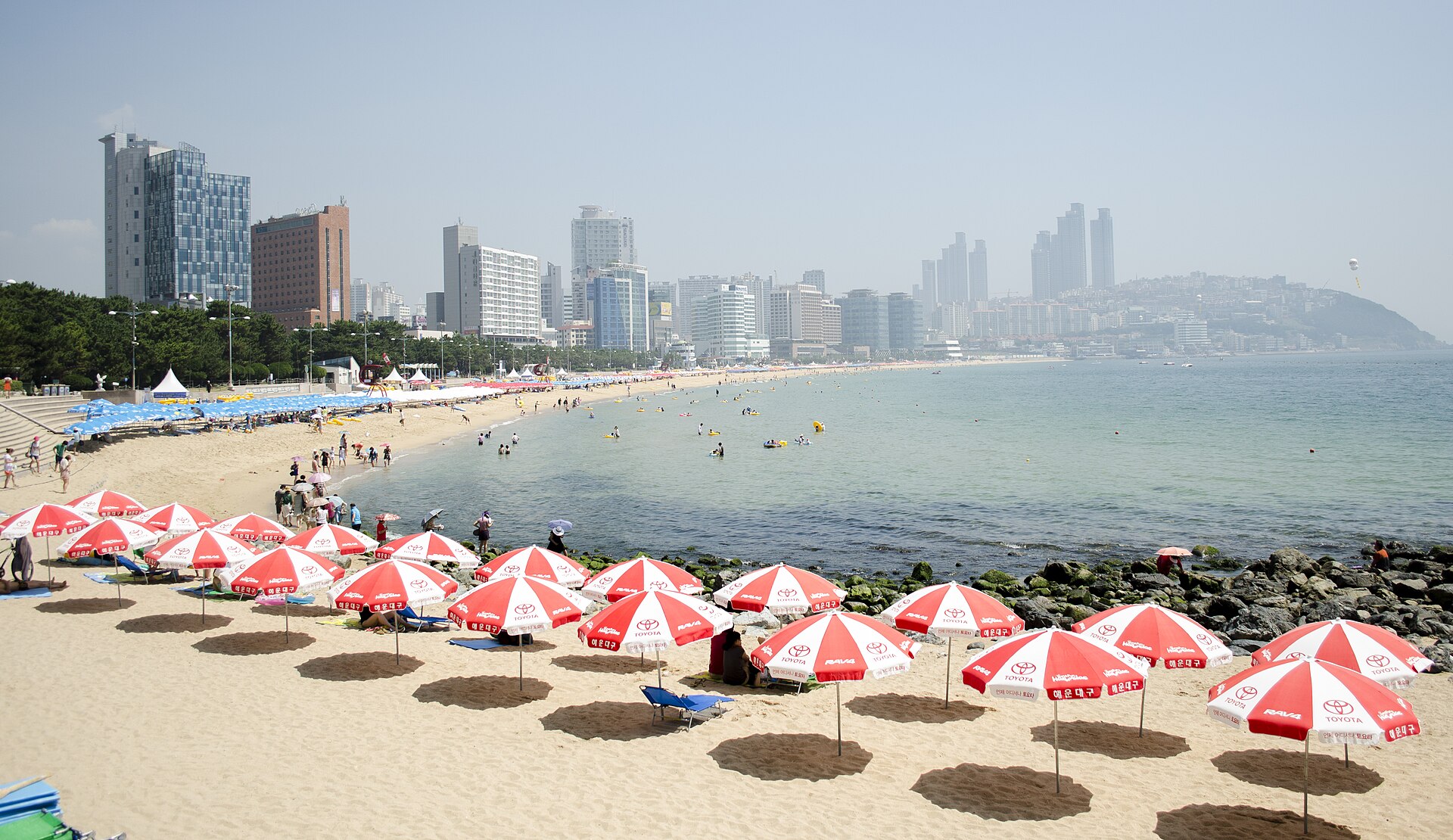
| Haeundae | Beach time, seaside dining | Resort, busy during summer, many hotels | Sea-view vs quieter side streets; check for soundproofing and elevator access |
| Seomyeon | Nightlife, shopping, central transport hub | Urban, lively, lots of dining options | Look for subway access and small-studio layouts if you prefer compact stays |
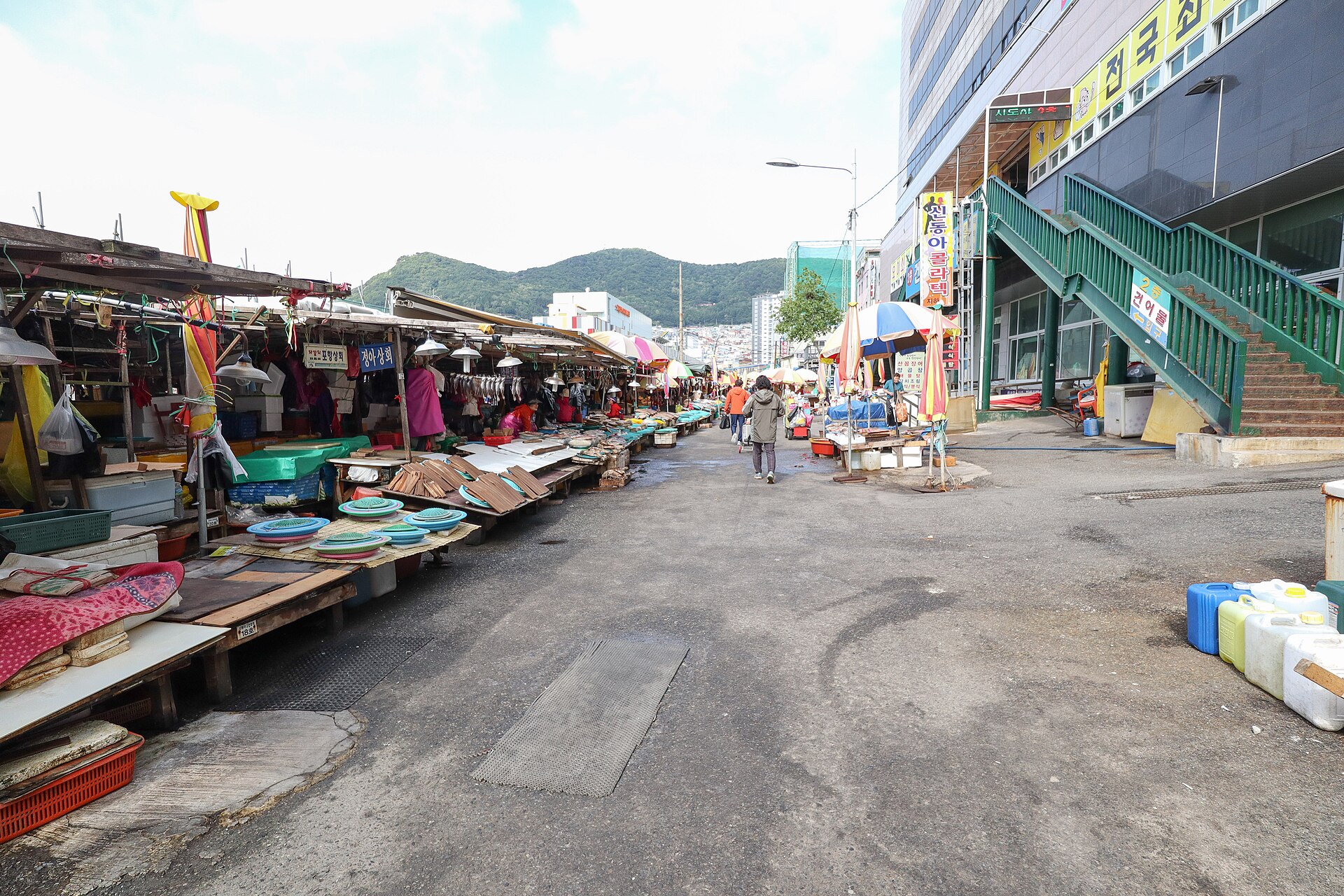
| Nampo-dong / Jagalchi | Markets, old port atmosphere, easy access to sights | Traditional market energy, seafood focus | Verify room windows and noise; markets are active early and into evening |
Accommodation recommendations and booking tips
For a smooth 부산 여행, consider the following practical criteria when choosing and booking a place to stay.
What to look for when booking
- Location clarity: Confirm the exact subway line or bus stop near the property. Maps on listing sites can be off—check the street name on the host’s listing and cross-check it on a map app.
- Accessibility: If you need step-free access, elevators, or wide doors, ask the property directly. Photos and descriptions are not always up to date.
- Noise and room layout: If light sleepers, prefer rooms that note “quiet side,” have double-glazed windows, or are located away from nightlife streets.
- Cancellation and check-in: Verify the host’s cancellation policy and exact self check-in or reception hours. For late arrivals, confirm key pickup instructions in writing.
- Payments and deposits: Booking platforms often handle payment; when booking directly, ask what forms of payment are accepted and whether a refundable deposit is required.
- Local laws and taxes: Some properties include local occupancy taxes or tourism levies; confirm what’s included in the final price.
Recommendation criteria: pick a place based on safety of the neighborhood, proximity to the subway for day trips, and reviews that mention cleanliness and accurate photos. These are the common priorities experienced travelers share, but you must verify specifics before booking.
Eating like a local: restaurants, markets and ordering tips
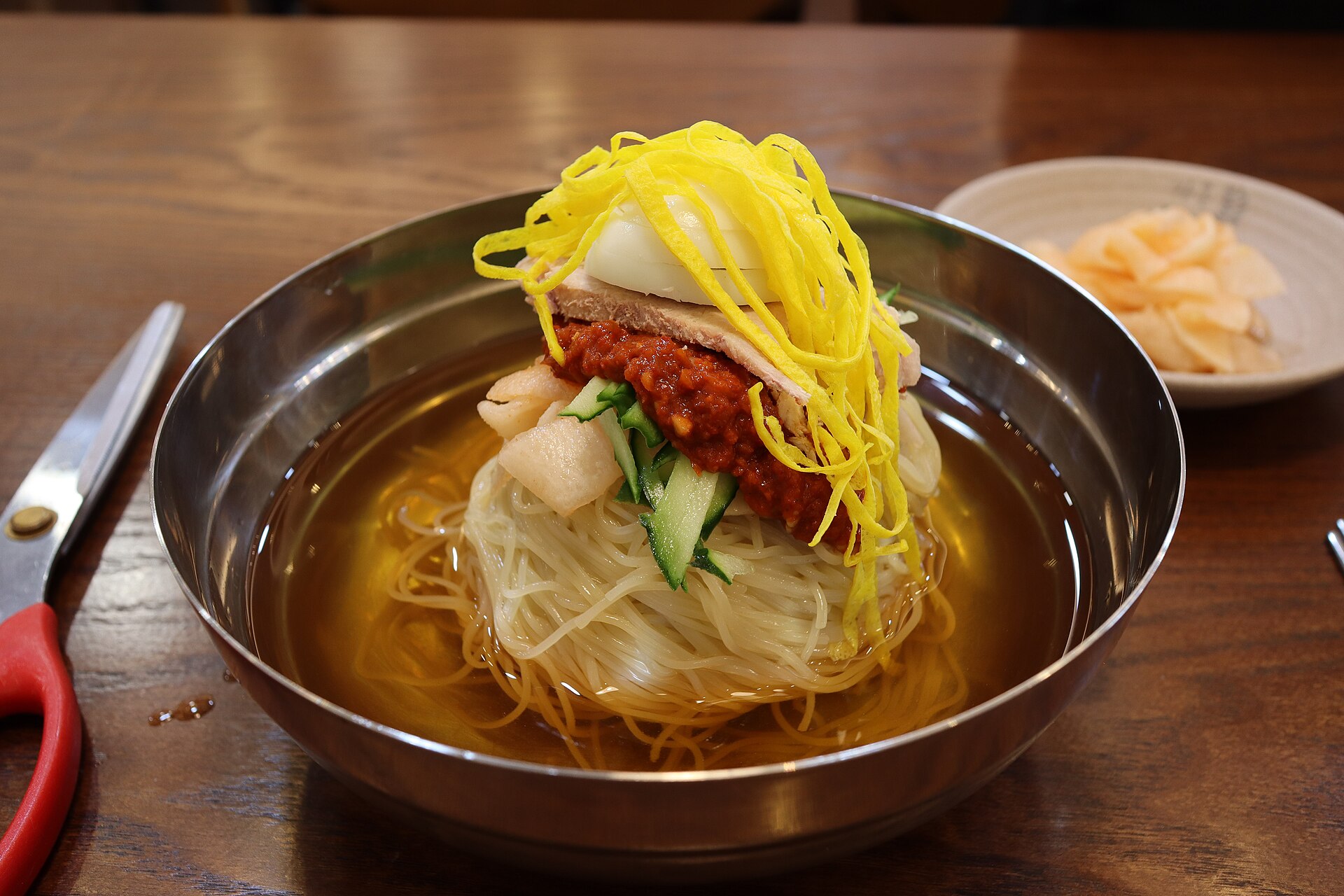
Food is a major highlight of 부산 여행. Two things to try: fresh seafood at Jagalchi Market and milmyeon, Busan’s signature wheat-noodle dish. Below are practical tips for ordering and paying.
Jagalchi Market and seafood etiquette
Jagalchi Market is famous among visitors who want fresh seafood. Many stalls will sell you fish or shellfish and offer to prepare it on-site for an additional fee. Before buying:
- Ask if the vendor will clean and cook or plate the seafood for immediate eating, and whether there is a preparation or seating fee. Confirm any extra fee up front.
- If you want raw fish (회, hoe), indicate how many people are eating, and check whether portions are whole-plate or per-person. Vendors frequently understand “for one” or “for two.”
- Payment: many market stalls accept cards, but cash is still handy. If you prefer cards, ask before ordering; smaller vendors may prefer cash.
- Ordering etiquette: speak politely, don’t haggle aggressively, and indicate clearly if you want the seafood prepared as sashimi (회), grilled, or stewed.
Remember to verify current practices at the market and whether stall services (such as cooking on-site) are available during your visit.
Ordering milmyeon and other local dishes
Milmyeon is Busan’s cold wheat noodle dish, often served in a chilled broth. When ordering at a noodle shop:
- Look at photos on the menu or ask for a recommendation: menus often show the dish name in Korean; pointing at a picture and saying the number or “one please” works well.
- If you have spice preferences, ask for it “mild” or “less spicy.” Some noodle shops are happy to adjust the spiciness.
- Payment: cards are common in sit-down restaurants, but small noodle shops may be cash-only—carry some won or ask before you order.
- Tipping: tipping is not customary in Korea. Paying the bill and saying “감사합니다” (thank you) is the norm.
Transport, payment and cultural practicalities
Small practical notes that make a 부산 여행 smoother:
- T-money card: Using a T-money (or similar transit card) simplifies buses and subways and often gives transfer discounts—recommended for independent travelers.
- Cards vs cash: Credit/debit cards are widely accepted, but carry some cash for markets, small stalls, or older vendors.
- Language tips: Many menus include English, but in small places pointing, using simple phrases, or showing the dish name in Korean is effective. Learn “please” (주세요) and “thank you” (감사합니다).
- Tipping and service: Tipping is not customary—service is included. For exceptional service, a sincere thank-you is appropriate.
- Accessibility considerations: Older buildings and market alleys can be crowded and have steps. Confirm elevator access and bathroom accessibility with individual venues or hotels before booking.
Practical list: a concise pre-visit checklist
- Confirm your accommodation’s exact address, check-in method, and cancellation policy with the host or hotel.
- Check whether your chosen hotels have elevators and accessible rooms if required.
- Load a transit card (T-money) and add local currency for small purchases.
- Download offline maps and save the subway network for quick navigation.
- Verify opening hours of any market or restaurant you most want to visit; many food stalls vary by season or day.
- Pack a small reusable bag for market purchases and a lightweight rain jacket—coastal weather can change.
Sample day-planning tips (no fixed schedules)
A typical independent-traveler rhythm in Busan: morning market visit (Jagalchi Market) for fresh seafood or photos, midday noodle lunch to try milmyeon, and afternoon beach time at Haeundae or a stroll through Nampo-dong. Avoid claiming exact travel times—always check transit options for your dates.
FAQ
Q: Is Busan safe for solo travelers?
A: Yes—부산 여행 is popular with solo travelers. Standard urban precautions apply: keep valuables secure, be cautious late at night in quieter streets, and use official taxis or public transport. Read recent neighborhood reviews before booking.
Q: Do restaurants accept foreign credit cards?
A: Many do, especially in tourist areas and larger restaurants, but small stalls and some noodle shops may prefer cash. Always ask before ordering if you plan to pay by card.
Q: How can I request accessible rooms or services?
A: Contact the property directly via the booking platform or phone/email to confirm elevator access, roll-in showers, or wide doorways. Do not assume accessibility from photos alone—get written confirmation.
Q: Will I need Korean to order food?
A: No. Many places show English on menus. Pointing at dishes, using translation apps, or asking staff to recommend a popular local item (like milmyeon) works well.
Conclusion
Planning a 부산 여행 is about choosing the right neighborhood for your travel style, checking accessibility and booking details carefully, and leaving room to enjoy local food culture—especially Jagalchi Market seafood and milmyeon. Remember to verify opening hours, booking rules, and accessibility details with venues before you go. With these practical tips, you’ll be set to travel confidently and eat like a local.
Maps, cultural events, and official local guide
Check Google Maps for restaurants and accommodations, Korea’s Culture Portal for current events, and the local government’s official tourism page for visitor information.