전주 2박3일 여행 is one of the best short trips you can take in Korea if you want food-first culture, traditional hanok streets, and a manageable city to explore on foot. This guide gives independent international travelers clear accommodation advice, restaurant and ordering tips, accessibility considerations, and a short two-night, three-day plan you can adapt.
Quick overview: what makes 전주 2박3일 여행 special
Jeonju’s compact historic core and strong food culture let you experience a lot without long transfers. Expect hanok architecture, markets where local vendors cook to order, and several highly regarded bibimbap spots. Below are the practical choices and how to decide between them.


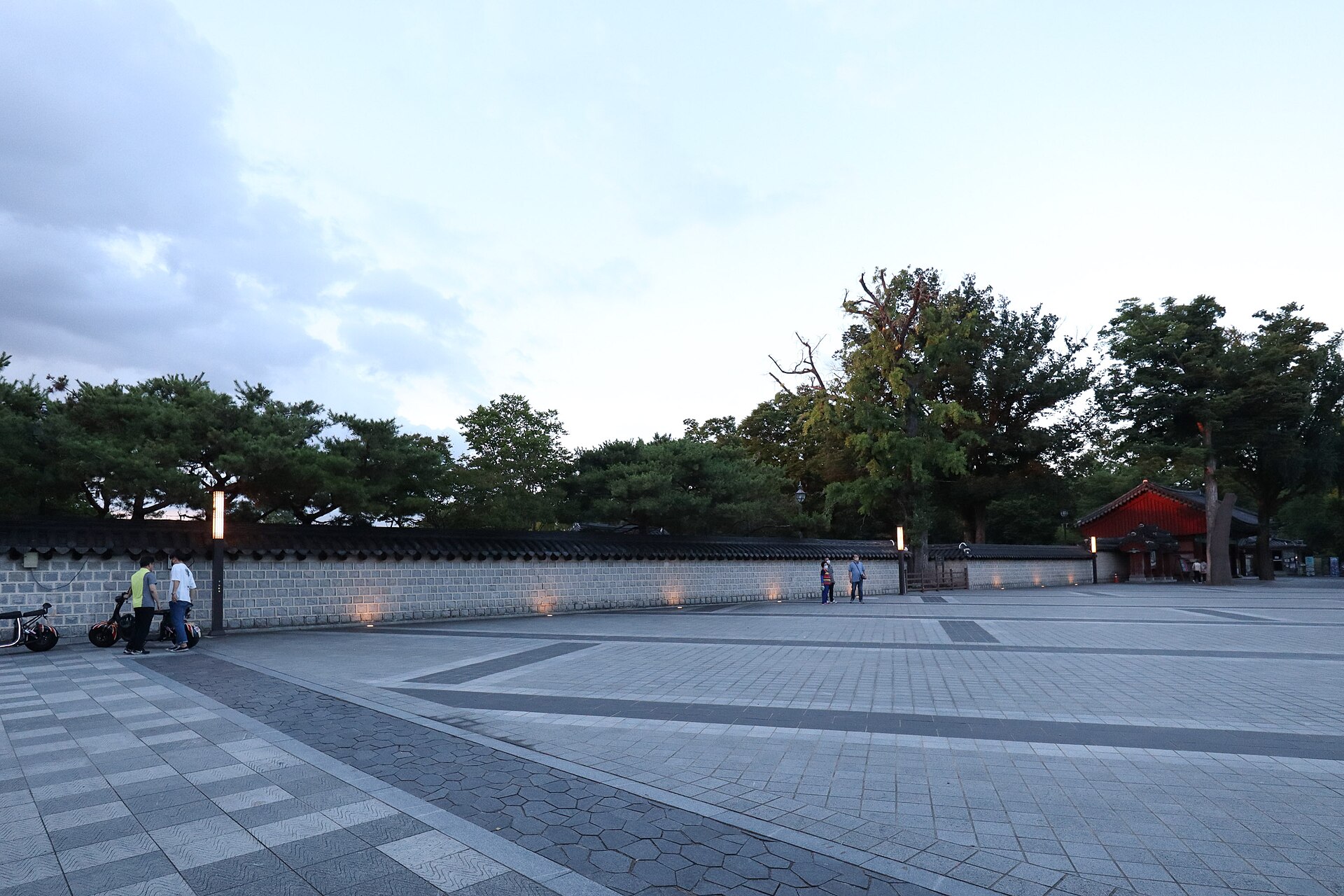
Where to stay: neighborhoods, types, and booking tips
Choice of neighborhood shapes your experience. I recommend picking one of three approaches based on how you like to travel:
- Stay inside or beside Jeonju Hanok Village if you want an immersive traditional atmosphere and easy walking access to sights.
- Choose Nambu Market area (near the market core) for best food-and-market access and lively evenings.
- Pick a modern hotel near the station or a quieter guesthouse outside the tourist core if you prefer easier public-transport connections or more predictable accessibility.
Booking tips (verify before you book):
- Compare hanok guesthouses, boutique guesthouses, and small hotels on major booking platforms and read recent guest reviews—look specifically for comments about noise, room size, and heating/cooling.
- When booking a hanok stay, confirm whether rooms have shared bathrooms or private bathrooms; room styles vary and listing descriptions can be brief.
- If accessibility matters, contact the property to ask about step-free access, elevator availability, and bathroom grab bars—these features are not universal in hanok or older guesthouses.
- Check cancellation and payment policies directly on the property page before you finalize. Don’t assume free cancellation.
Accommodation comparison table
| Type | Character | Who it’s best for |
|---|---|---|
| Hanok guesthouse | Traditional wooden house, low furniture, courtyard feel | Culture-first travelers who value atmosphere over modern conveniences |
| Guesthouse / hostel | Budget-friendly, social, mixed modern/traditional styles | Solo travelers and those on a budget |
| Hotel (near station) | Modern rooms, more consistent accessibility features | Travelers needing reliable amenities and transport links |
Where and what to eat: practical restaurant and ordering tips
Food is central to 전주 2박3일 여행. Two places you’ll see and want to try are Jeonju Hanok Village and Jeonju Nambu Market — both are hubs for local dishes. The signature dish visitors chase is Jeonju bibimbap (often just called bibimbap in menus).
Ordering tips for Jeonju bibimbap and market dishes
- Menus: Many restaurants list menu items in Korean and sometimes English. If a menu is only in Korean, show the dish name written down or use a photo-translate app. For bibimbap, look for “bibimbap” or “비빔밥” on the menu.
- Sharing: Market stalls and small restaurants expect diners to order per person or for sharing; if you want smaller portions, ask (or point to a small side dish on display).
- Customization: If you have dietary restrictions—no egg, less spice, vegetarian—ask politely and simply in English or use a translation: for example, “No egg, please” or “Can you make without meat?” Some traditional dishes include anchovy-based broths or meat; verify ingredients if allergic.
- Payment: Most places accept cards, but small market vendors may prefer cash. Always have some Korean won cash available for market stalls or quick snacks.
- Tipping: Tipping is not customary in Korea. Paying the bill at restaurants is usually done at the counter rather than leaving cash on the table.
Sample 전주 2박3일 여행 plan (flexible)
This plan focuses on walkable exploration and food sampling. Adjust based on the opening hours you confirm before you go.
- Day 1: Arrive, check into your hanok or hotel, stroll Jeonju Hanok Village in late afternoon (gentler light and fewer crowds in many spots), dinner at a market-style restaurant.
- Day 2: Start with a breakfast of local fare, spend the morning wandering the hanok alleys, try Jeonju bibimbap for lunch, explore shops and museums, and return to Nambu Market for evening street food.
- Day 3: Morning market visit for last snacks or souvenirs, short cultural stop (temple or museum depending on interest), then depart.
Practical local tips, payment and accessibility notes
Practical local context helps you avoid common first-time mistakes.
- Cash vs card: Credit cards are widely accepted in restaurants and hotels, but bring cash for small vendors, street food, and markets.
- Language: English signage appears in tourist areas, but not everywhere. A translation app and a few written Korean phrases can help. Pointing at items or photos is a normal ordering method.
- Accessibility: Jeonju Hanok Village has many low thresholds, narrow gates, and stone paths—these can be uneven and not ideal for wheelchairs or strollers. Larger modern hotels near the station are likelier to have step-free access and elevators. Always ask the accommodation about specific accessibility needs before booking.
- Cultural note: Remove shoes when entering many hanok guesthouses and some traditional restaurants. If you’re unsure, wait to be shown or look for shoe racks at the entrance.
Pre-visit checklist
- Confirm accommodation details (bathroom type, accessibility, check-in time, cancellation policy).
- Check opening hours for any specific restaurants or cultural sites you plan to visit; hours can vary by season and day of week.
- Pack some cash in Korean won for market purchases and small vendors.
- Download a translation app and save key phrases (no egg, vegetarian, payment method) as screenshots.
- Bring comfortable shoes for cobbled streets; consider a lightweight daypack for market buys.
Frequently asked questions
Is 전주 2박3일 여행 enough time to get a proper feel for the city?
Yes. Two nights and three days gives you a relaxed pace to see the hanok area, sample key foods like Jeonju bibimbap, and do some market shopping without rushing. If you have specific events or festivals in mind, check dates in advance.
Where should I prioritize eating during 전주 2박3일 여행?
Prioritize small, well-rated local eateries and the stalls around Jeonju Nambu Market and Jeonju Hanok Village: those places highlight regional dishes and local techniques. Confirm a restaurant’s current menu and ordering method before you go.
Any accessibility advice for navigating Jeonju Hanok Village?
The hanok area is beautiful but has narrow lanes and uneven stone paving. If mobility is a concern, choose accommodation with confirmed step-free access, and call ahead to restaurants to ask about entrances and restroom accessibility.
Conclusion
전주 2박3일 여행 is best approached slowly: pick a convenient neighborhood, verify accommodation details before booking, and leave room to eat and discover. With hanok architecture, market stalls, and Jeonju bibimbap on offer, a two-night stay gives you a genuine local taste—plan, verify practical details, and enjoy wandering at your own pace.
Photo subjects discussed in this guide: Jeonju Hanok Village (traditional streets and houses), Jeonju Nambu Market (food stalls and market life), and Jeonju bibimbap (the city’s signature dish).
Maps, cultural events, and official local guide
Check Google Maps for restaurants and accommodations, Korea’s Culture Portal for current events, and the local government’s official tourism page for visitor information.